Mountain tents
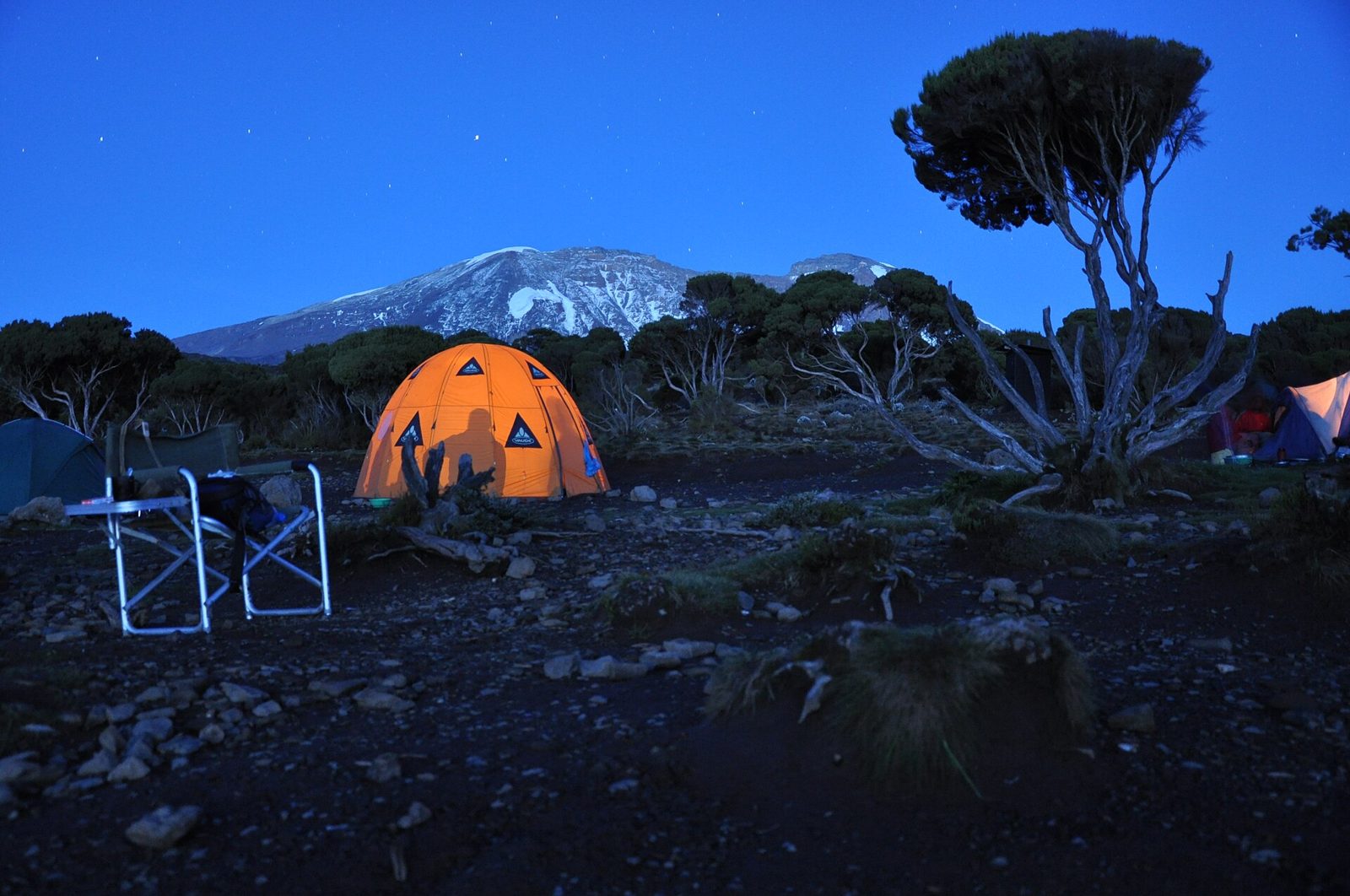
On camping routes you sleep in sturdy four-season mountain tents set up by our crew at each camp, with sleeping mats, a dining tent with table and chairs, and freshly cooked meals. A private toilet tent can be requested.
Duration
7 days
Price from
US$2,390 per person
Difficulty
Moderate
Type
Private trip
Rongai approaches from the north near the Kenyan border. It is drier, quieter and a gentle gradient, ideal in the rainy season and for those seeking a wilderness experience.
The Rongai Route is the only route approaching Kilimanjaro from the north, close to the Kenyan border. Because the northern slopes receive less rainfall, Rongai is an excellent choice during the wetter months of April, May and November.
Expect quiet trails, wide wilderness views and a beautiful camp beside Mawenzi Tarn beneath the jagged peaks of Mawenzi. The descent follows the Marangu Route, so you see two different sides of the mountain in one trip.
Map & route
Climbing routes and camps on Mount Kilimanjaro. Locations and connections are approximate; always follow your guide.
Rongai Route
Destination overview, not a turn-by-turn road or mountain trail map. Overnight camps and seasonal migration positions are confirmed in your final itinerary. On Kilimanjaro, always follow your guide.
| Day | Route | Distance | Travel time |
|---|---|---|---|
| 1 | Rongai Gate to Simba Camp | ≈ 8 km | 3–4 hrs |
| 2 | Simba Camp to Second Cave | ≈ 6 km | 3–4 hrs |
| 3 | Second Cave to Kikelewa Camp | ≈ 6 km | 3–4 hrs |
| 4 | Kikelewa to Mawenzi Tarn | ≈ 5 km | 3–4 hrs |
| 5 | Mawenzi Tarn to Kibo Hut | ≈ 8 km | 4–5 hrs |
| 6 | Summit Day — Uhuru Peak | ≈ 22 km | 12–14 hrs |
| 7 | Horombo to Marangu Gate | ≈ 20 km | 5–6 hrs |
Below is our recommended 7-day itinerary. All our trips are private, so dates, hotels and activities can be adjusted to suit you.
Day 1
Trek through pine forest and farmland to the first camp. The approach starts on the northern side of the mountain after a road transfer and park formalities. The first walk passes cultivated land and forest before reaching camp. Rain is still possible on this relatively drier side, so waterproof clothing belongs in your daypack.
Carry waterproofs, warm layers, water, snacks and personal medication in your daypack; the crew transports the agreed main bag. Trail times and distances are approximate.
A short guide-approved photography or acclimatisation walk near camp may be possible. Never take an independent detour or sacrifice rest; extra services require confirmation.
Overnight: Simba Camp
Breakfast, lunch and dinner on the mountain; hotel meals confirmed with your quote
Day 2
Steady climb into moorland with Kibo in view. Open moorland replaces the forest, with longer views towards Kibo when the sky clears. Take the steady gradient at a relaxed pace while your body adjusts to thinner air. Camp life is simple and evenings are cool, making a warm fleece or jacket useful after walking.
Carry waterproofs, warm layers, water, snacks and personal medication in your daypack; the crew transports the agreed main bag. Trail times and distances are approximate.
A short guide-approved photography or acclimatisation walk near camp may be possible. Never take an independent detour or sacrifice rest; extra services require confirmation.
Overnight: Second Cave Camp
Breakfast, lunch and dinner on the mountain; hotel meals confirmed with your quote
Day 3
Head across moorland towards Mawenzi. The trail leaves the more direct ascent line and heads towards the dramatic Mawenzi area. This relatively short stage gives time to rest without rushing the altitude gain. Weather can obscure the views quickly, so keep layers accessible and follow your guide’s pace across the open terrain.
Carry waterproofs, warm layers, water, snacks and personal medication in your daypack; the crew transports the agreed main bag. Trail times and distances are approximate.
A short guide-approved photography or acclimatisation walk near camp may be possible. Never take an independent detour or sacrifice rest; extra services require confirmation.
Overnight: Kikelewa Camp
Breakfast, lunch and dinner on the mountain; hotel meals confirmed with your quote
Day 4
Short steep climb to a stunning tarn below Mawenzi's spires. The climb is shorter in distance but steeper, with the jagged outline of Mawenzi dominating clear-weather views. Camping beside the tarn is a scenic highlight, though cold and wind can be significant. A gentle walk may be suggested for acclimatisation if the group is feeling well.
Carry waterproofs, warm layers, water, snacks and personal medication in your daypack; the crew transports the agreed main bag. Trail times and distances are approximate.
A short guide-approved photography or acclimatisation walk near camp may be possible. Never take an independent detour or sacrifice rest; extra services require confirmation.
Overnight: Mawenzi Tarn Camp
Breakfast, lunch and dinner on the mountain; hotel meals confirmed with your quote
Day 5
Cross the Saddle desert to Kibo Hut. Cross the broad alpine Saddle towards the summit base, where vegetation becomes scarce and shelter limited. The exposed route makes sun and wind protection equally important. At Kibo, organise your summit layers, eat and rest before the overnight start.
Carry waterproofs, warm layers, water, snacks and personal medication in your daypack; the crew transports the agreed main bag. Trail times and distances are approximate.
A short guide-approved photography or acclimatisation walk near camp may be possible. Never take an independent detour or sacrifice rest; extra services require confirmation.
Overnight: Kibo campsite
Breakfast, lunch and dinner on the mountain; hotel meals confirmed with your quote
Day 6
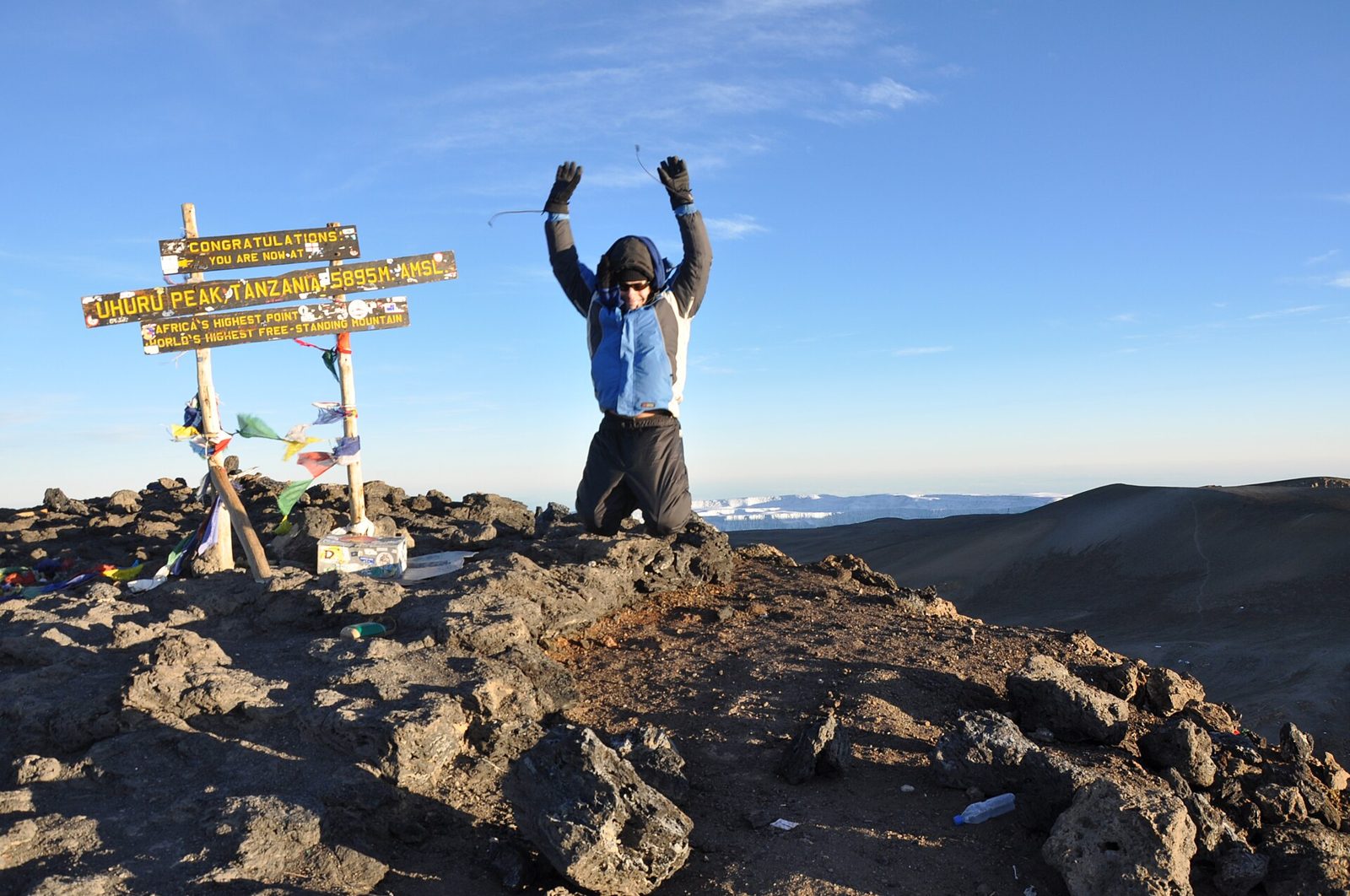
Night ascent via Gilman's Point to Uhuru, descend to Horombo. The ascent to the crater rim is slow and demanding, often over loose volcanic ground in freezing darkness. Your guide assesses weather and altitude symptoms throughout. Continue towards Uhuru only if safe, then descend by the Marangu side for a different view of the mountain.
Carry waterproofs, warm layers, water, snacks and personal medication in your daypack; the crew transports the agreed main bag. Trail times and distances are approximate.
No additional excursion planned. Conserve energy for the ascent and long descent; the guide's safety and turnaround decisions take priority.
Overnight: Horombo Huts / campsite — confirmed with your quote
Breakfast, lunch and dinner on the mountain; hotel meals confirmed with your quote
Day 7
Descend and transfer to Arusha. The final stage passes through moorland into rainforest on the southern side, completing your north-to-south journey. Walk carefully as fatigue can affect balance, especially on damp sections. Finish exit formalities and return to Arusha for a recovery night before onward travel.
Carry waterproofs, warm layers, water, snacks and personal medication in your daypack; the crew transports the agreed main bag. Trail times and distances are approximate.
A town coffee or cultural visit can be requested after recovery, at extra cost and only if your return time allows.
Overnight: Arusha hotel — confirmed with your quote
Breakfast, lunch and dinner on the mountain; hotel meals confirmed with your quote
Accommodation
On camping routes you sleep in sturdy four-season mountain tents set up by our crew at each camp, with sleeping mats, a dining tent with table and chairs, and freshly cooked meals. A private toilet tent can be requested.
| Travellers | Price per person | Group total |
|---|---|---|
| 1 | US$2,390 | US$2,390 |
| 2 | US$2,211 | US$4,422 |
| 3 | US$2,151 | US$6,453 |
| 4 | US$2,091 | US$8,363 |
| 5 | US$2,054 | US$10,272 |
| 6+ | US$2,030 | US$12,182 for 6, then US$1,910 each extra |
The first traveller pays the full price. The second and third travellers each save 15%. From the fourth traveller onward, each pays 6% less than the third traveller's price.
When to go
January–early March and June–October generally offer drier trekking conditions. April–May are usually wetter, with short rains around November. Summit temperatures can fall below freezing in any month; rain and snow remain possible. For the combo, June–October also suits general safari viewing.
Tanzania Tourist Board seasonal adviceGood to know
Four quick checks that keep a Tanzania trip smooth. Choose a topic below — everything here is confirmed in writing before you pay.
Send your preferred dates, number of adults and children (with ages), room arrangement, accommodation tier and arrival/departure airports. Tell us about dietary needs, allergies, mobility requirements and special occasions.
Receive a written quote naming hotels or camps, room types, meals, transfers, park fees and any optional activities. Check single-room supplements, flight inclusions, baggage limits and all exclusions before accepting.
An enquiry is not a reservation. Ask for the payment schedule, cancellation terms and booking confirmation before paying; no deposit percentage or cancellation policy is assumed on this page.
Check Tanzania entry and visa requirements for your passport with official immigration sources. Consult a travel-health clinician about malaria prevention and any vaccination certificate required by your arrival route or transit.
Arrange travel insurance explicitly covering trekking up to 5,895 m, medical treatment, evacuation and trip interruption. Discuss relevant health conditions with your clinician; altitude illness can affect fit people and may require immediate descent.
For standalone climbs, the listed days are mountain days; arrive before day one for briefing and gear checks and allow recovery afterwards. Confirm hotel nights and transfers in writing. Train with long back-to-back walks and bring broken-in boots, layered waterproof clothing, insulated summit gear, a headlamp and a suitable sleeping bag.
Safari full board means breakfast, lunch and dinner, often with picnic lunches on game-drive days. Hotel-only and departure days may have fewer meals. Vegetarian and other diets can be requested; disclose serious allergies before booking because remote kitchens have limitations.
The driest and most popular months are January to mid-March and June to October. April, May and November are the long and short rainy seasons — still possible, but trails are wetter and cloudier.
No technical climbing is required. You should be able to hike 5–7 hours a day for several days. We recommend 2–3 months of regular hiking, stair climbing or cardio training before your trip.
Altitude affects everyone differently. Our guides check your oxygen level and pulse twice daily, carry emergency oxygen and follow a 'climb high, sleep low' approach. Longer routes (7+ days) greatly improve your chance of success.
Most nationalities need a Tanzania tourist visa, best applied for online in advance (e-visa). A yellow fever certificate is required if arriving from a yellow fever country. Consult your travel doctor about malaria prophylaxis for the lowlands.
Layered clothing, a warm down jacket, waterproof jacket and trousers, broken-in hiking boots, a -10°C sleeping bag, headlamp, gloves and a warm hat. We send a full packing list after booking and rent quality gear in Arusha.
Tipping is customary on Kilimanjaro. As a guide, budget around US$250–350 per climber for the whole crew, handed out at a tipping ceremony at the end of the climb.