Kilimanjaro trekking & climbing routes

Tanzania · Kilimanjaro on Foot

Kilimanjaro trekking & climbing routes

Find your path to Africa’s highest peak, with our local mountain team beside you.

Kilimanjaro trek itineraries for every pace

Compare our Kilimanjaro trek itineraries, from the fast Machame 6-day climb and Marangu 5-day hut trek to the 9-day Northern Circuit. Choose from six routes to Uhuru Peak at 5,895 metres: shared huts on Marangu or camping on the other routes. Compare mountain days, difficulty and daily plans. Our Arusha team can help you choose a route with time to acclimatise; no climb guarantees a summit.

Every route below is a tailor-made starting point. Tell us your dates, group size and fitness and we adjust the profile, accommodation level and extras — the final plan is confirmed in writing before you commit.

Choose your path

All routes to Uhuru Peak

Compare each Kilimanjaro climb with its daily camps, mountain days and starting price per person, then request a quote for the route that suits you.

Plan your dates

Kilimanjaro departure calendar

Choose your preferred first mountain day. These are requested dates, not confirmed group departures. Arrive the day before for your briefing; our team confirms availability in writing.

1Choose your route

2Pick your first mountain day

  • Selected
  • Today
  • Available
  • Past dates

3How this works

  1. Pick a route and a date above — nothing is booked yet.
  2. We check availability with our guides and lodges.
  3. You receive a written quote with your confirmed dates.

Arrive the day before your first mountain day for the briefing and gear check. Dates you choose here are requests, not confirmed departures.

Kilimanjaro itinerary guides

Summit guide

Summit night on Kilimanjaro, step by step

Summit day is the longest and most demanding day of any Kilimanjaro climb. Here is what typically happens, so you know what to expect. Exact times depend on your route, pace and conditions on the mountain.

  1. 1

    Around 23:00

    Wake-up and hot drinks

    Your guides wake you at high camp (Barafu, Kibo or School Hut, depending on route). Eat a light snack, drink tea, put on every warm layer and fit your head torch.

  2. 2

    Midnight – 05:00

    The night ascent

    A slow, steady climb in the dark on steep scree and switchbacks. Guides set a 'pole pole' pace, check how you feel and keep you drinking. This is the coldest and hardest part of the climb.

  3. 3

    Around sunrise

    Stella Point or Gilman's Point

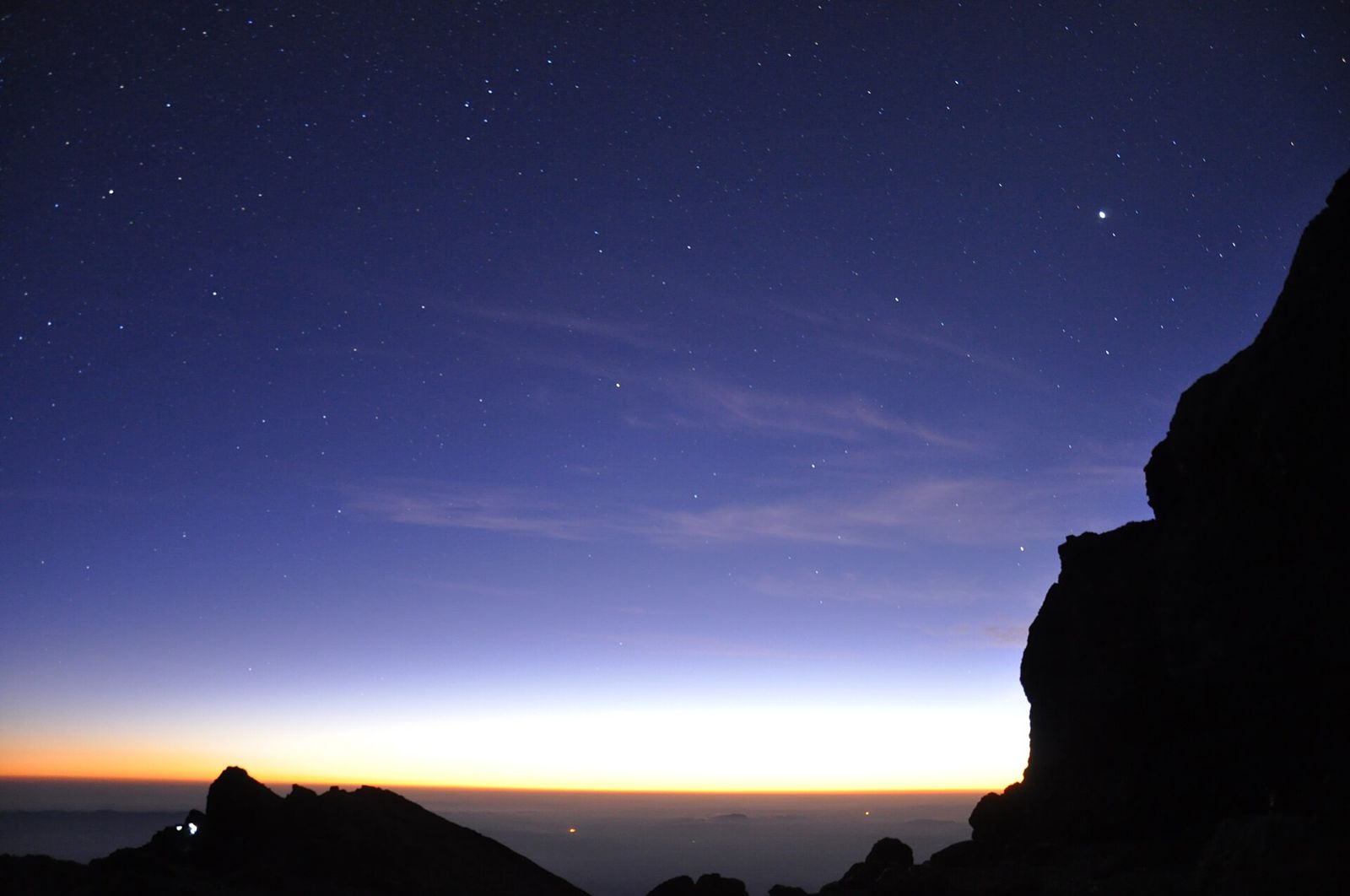
    You reach the crater rim at about 5,700–5,750 m as the sky lightens. From here the gradient eases for the final stretch along the rim.

  4. 4

    Morning

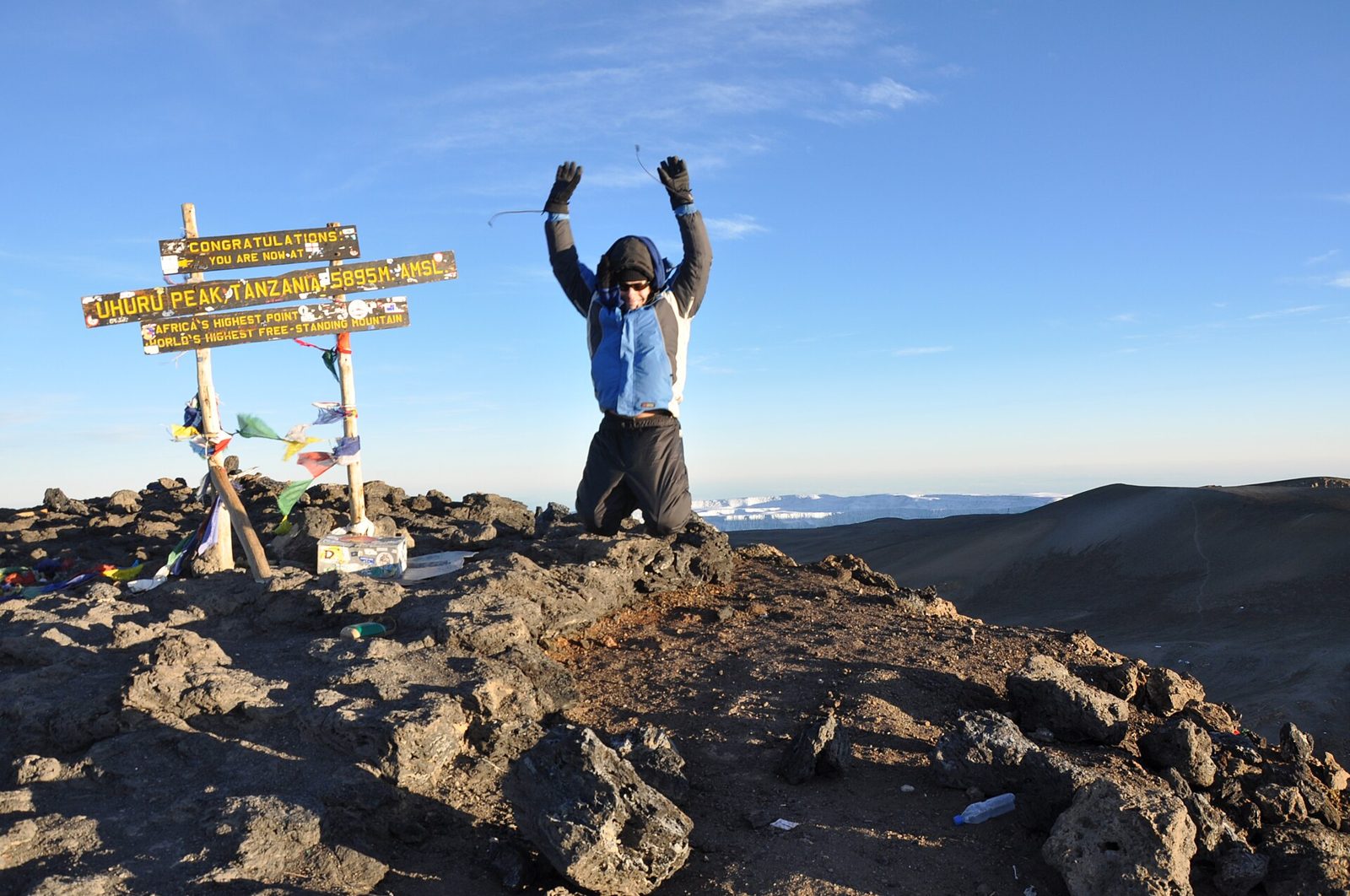
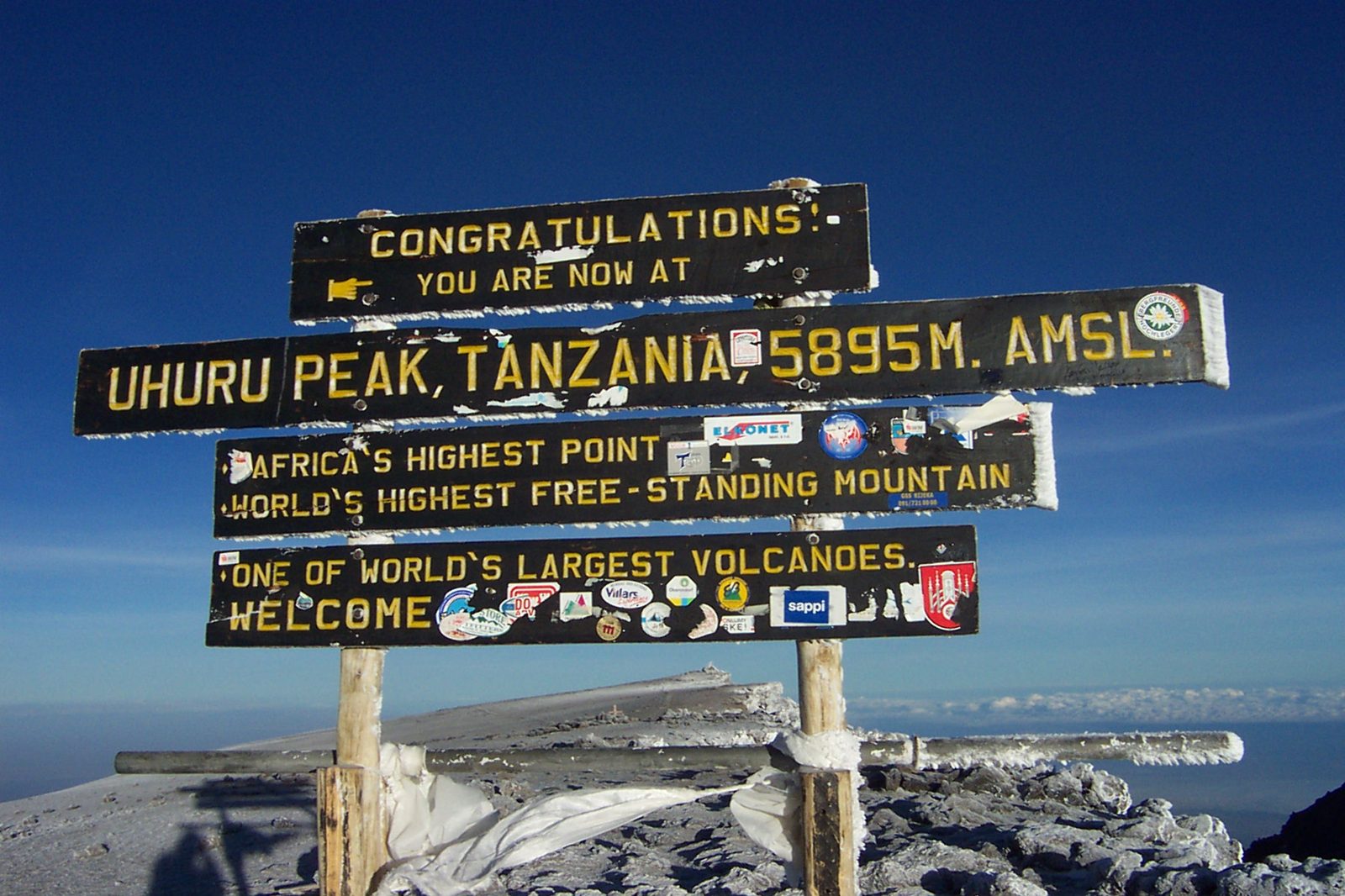
    Uhuru Peak, 5,895 m

    Roughly 45–60 minutes more along the rim brings you to the summit sign, with glaciers and views over the plains. Stay only a short time — the altitude is extreme.

  5. 5

    Midday – afternoon

    Descent and rest

    Descend to high camp for a rest and meal, then continue lower to a camp or hut to sleep. Summit day usually takes 12 to 15 hours in total.

Tips for a stronger summit attempt

Layer up

Expect −10 °C to −20 °C with wind chill. Wear thermal base layers, fleece, a down jacket, insulated gloves with liners and a warm hat.

Protect your water

Use insulated bottles or keep them inside your pack upside down; hydration tubes often freeze.

Spare batteries

Cold drains batteries fast. Carry spare head-torch batteries and keep your phone in an inside pocket.

Listen to your guide

Report headache, dizziness, confusion or breathlessness at rest straight away. Turning back when told to is part of a safe climb.

Free, no-obligation quote

Get your Kilimanjaro price

Choose your route, group size and arrival date. You see an estimated price per person straight away, and our Arusha team replies with a written quotation confirming availability.

  • Park fees, guides, porters and mountain meals included
  • Group pricing for 1 to 6+ climbers
  • Nothing is booked until you confirm in writing
Book your dates & pay deposit

Request your package quote

Chat on WhatsApp

Compare Kilimanjaro routes and mountain days

RouteHighlightMountain daysAccommodation
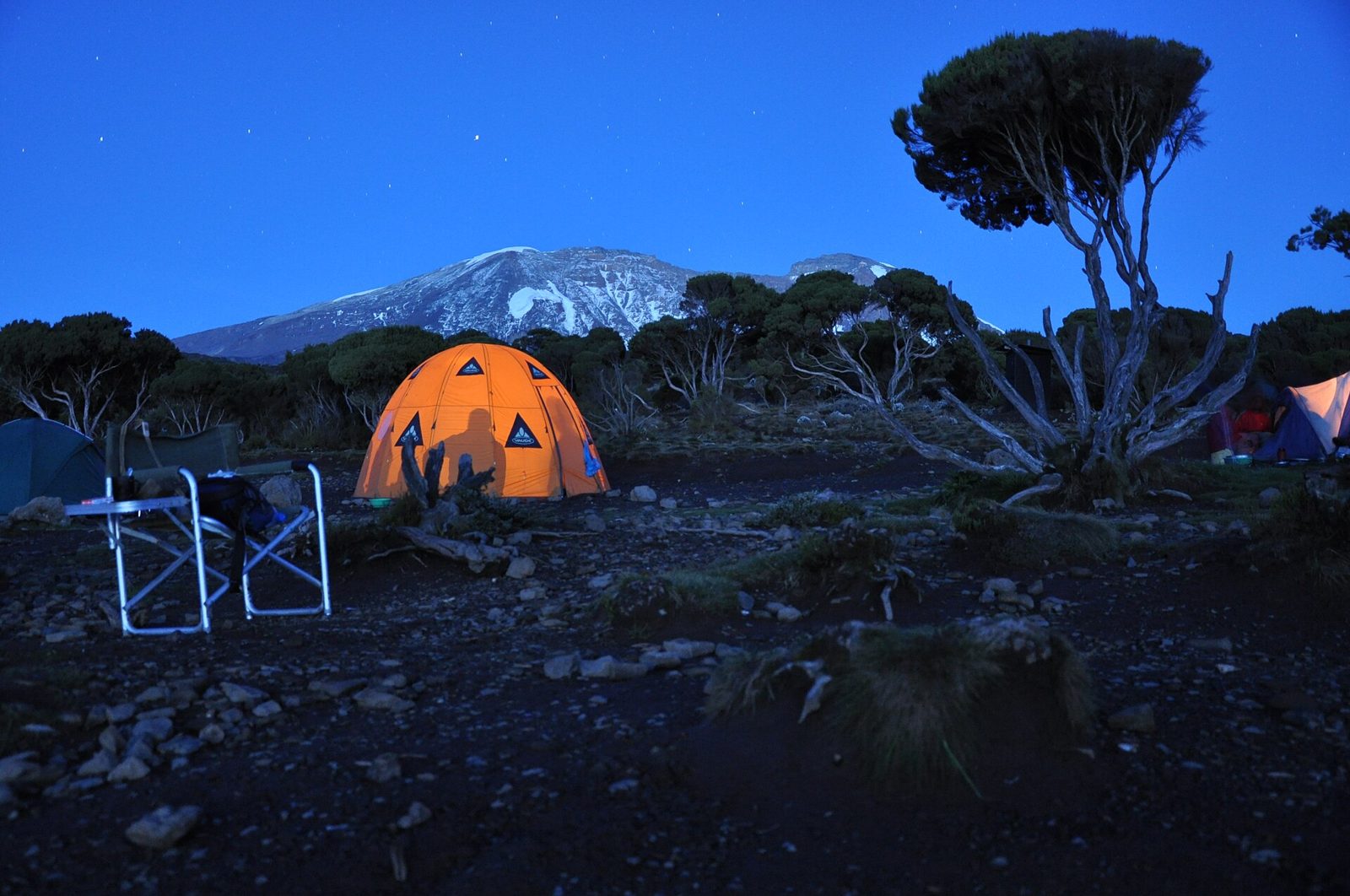
Machame RouteThe 'Whiskey' route — scenic, varied and excellent for acclimatisation.7Mountain camping
Lemosho RouteRemote western approach with the highest summit success rate.8Mountain camping
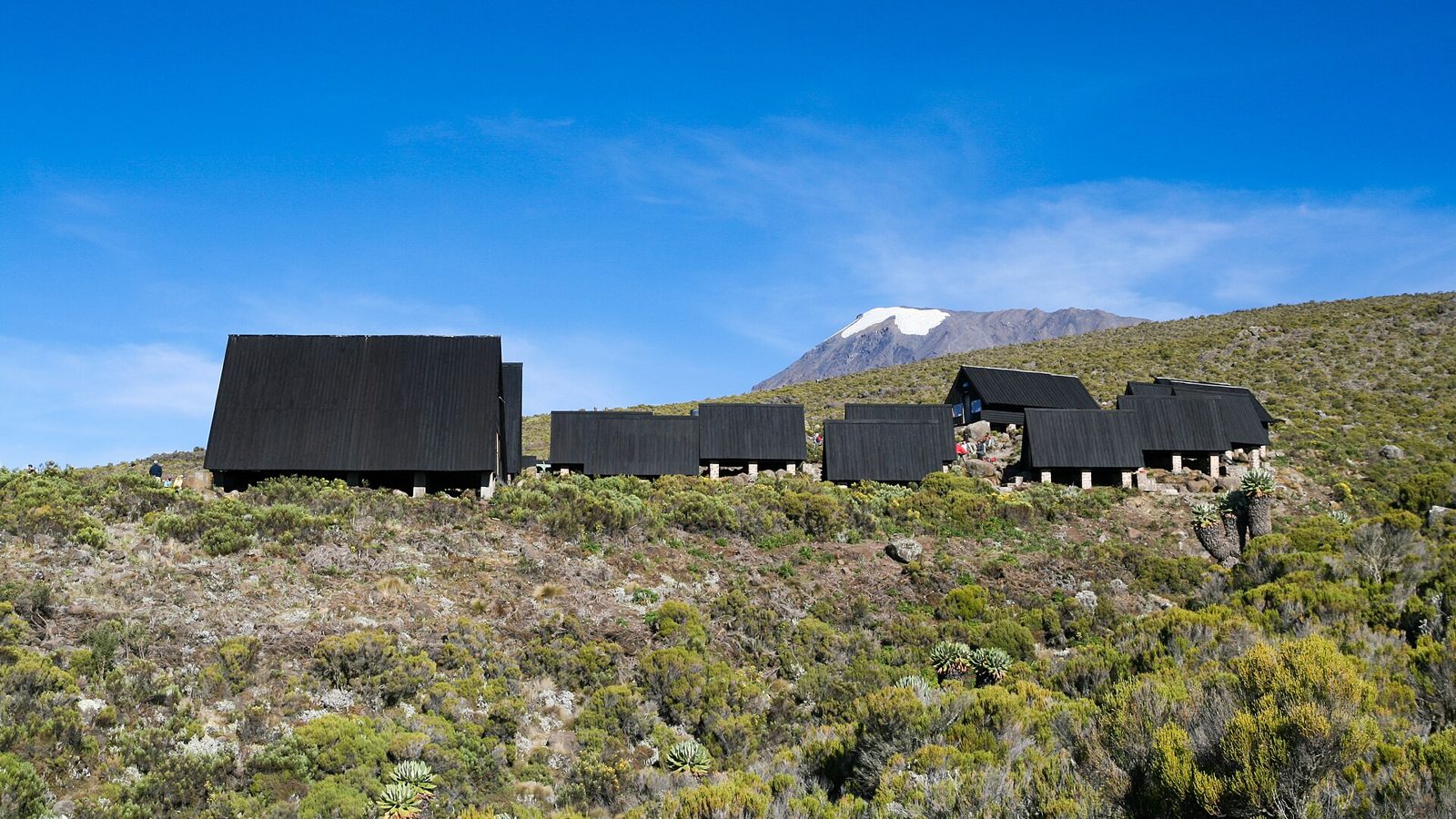
Marangu RouteThe classic 'Coca-Cola' route with hut accommodation.6Shared mountain huts
Rongai RouteQuiet northern approach from the Kenyan border, drier in rainy season.7Mountain camping
Northern CircuitThe longest, most beautiful circuit with 360° views of the mountain.9Mountain camping
Umbwe RouteSteep and direct — for experienced trekkers only.6Mountain camping

How long does it take to climb Kilimanjaro?

Our Mount Kilimanjaro trekking itineraries allow five to nine days on the mountain, depending on the route. Add time for arrival, a briefing and equipment check, and recovery before onward travel. A shorter climb is not necessarily easier: extra mountain days give more opportunity to acclimatise. Compare daily ascent, sleeping elevations and rest time as well as the total duration when choosing your climb.

Choosing the best Kilimanjaro route

Machame (7 days) is the most popular camping route, with superb scenery and good acclimatisation. Lemosho (8 days) and the Northern Circuit (9 days) are quieter and give your body more time to adapt. Marangu (6 days) is the only route with sleeping huts, Rongai approaches from the drier north, and Umbwe is a steep, short option for experienced hikers. If you are unsure, tell us your fitness, dates and budget and we will recommend a route.

Best time to climb Kilimanjaro

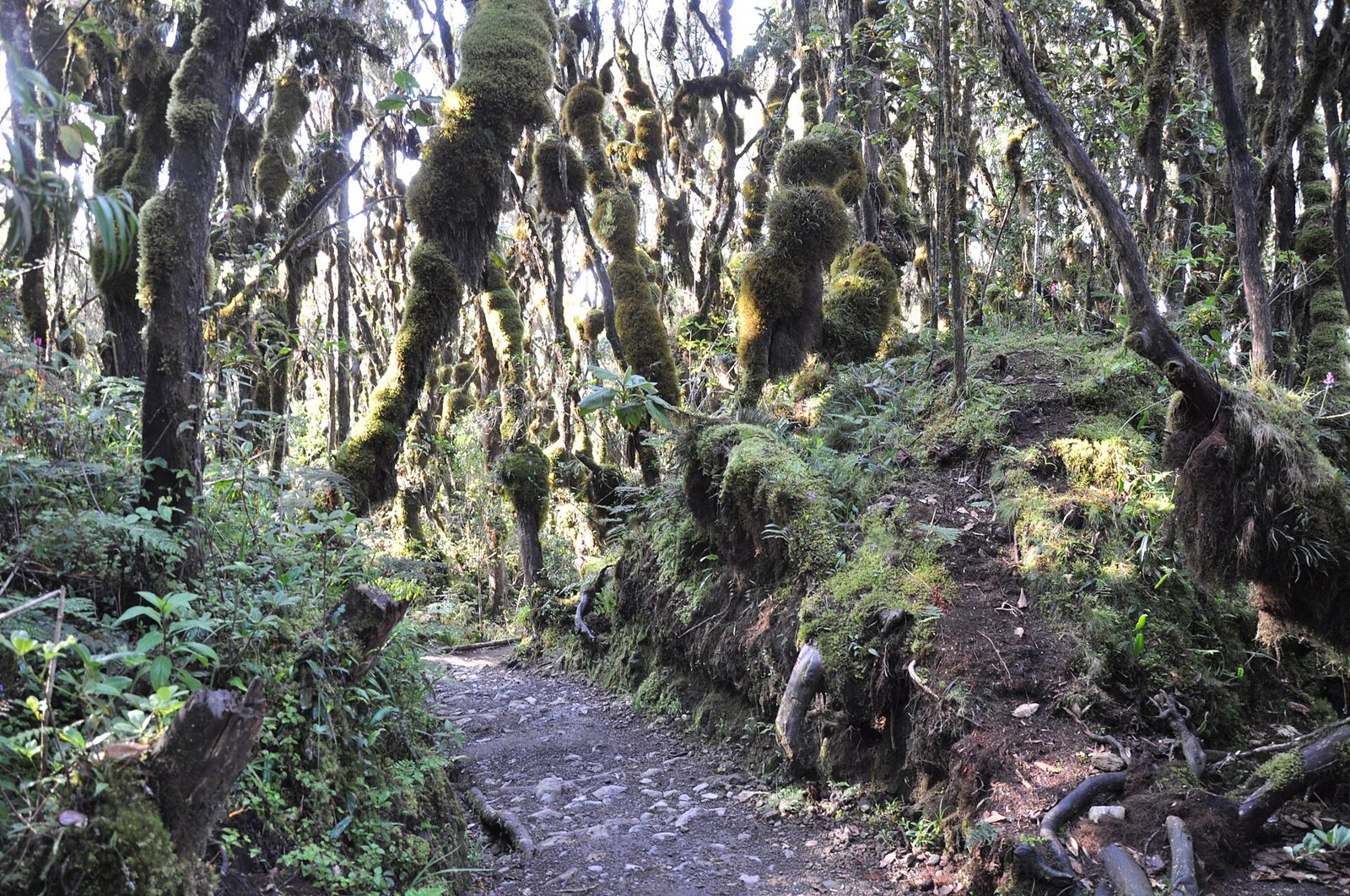
January to early March and June to October are generally popular for drier trekking conditions. April and May are usually wetter, and November often brings short rains. Weather can change in any month, with freezing conditions high on the mountain even when the lower slopes are warm. Choose your dates around preparation time and your preferred route, and pack waterproof and insulated layers regardless of season.

How hard is climbing Kilimanjaro?

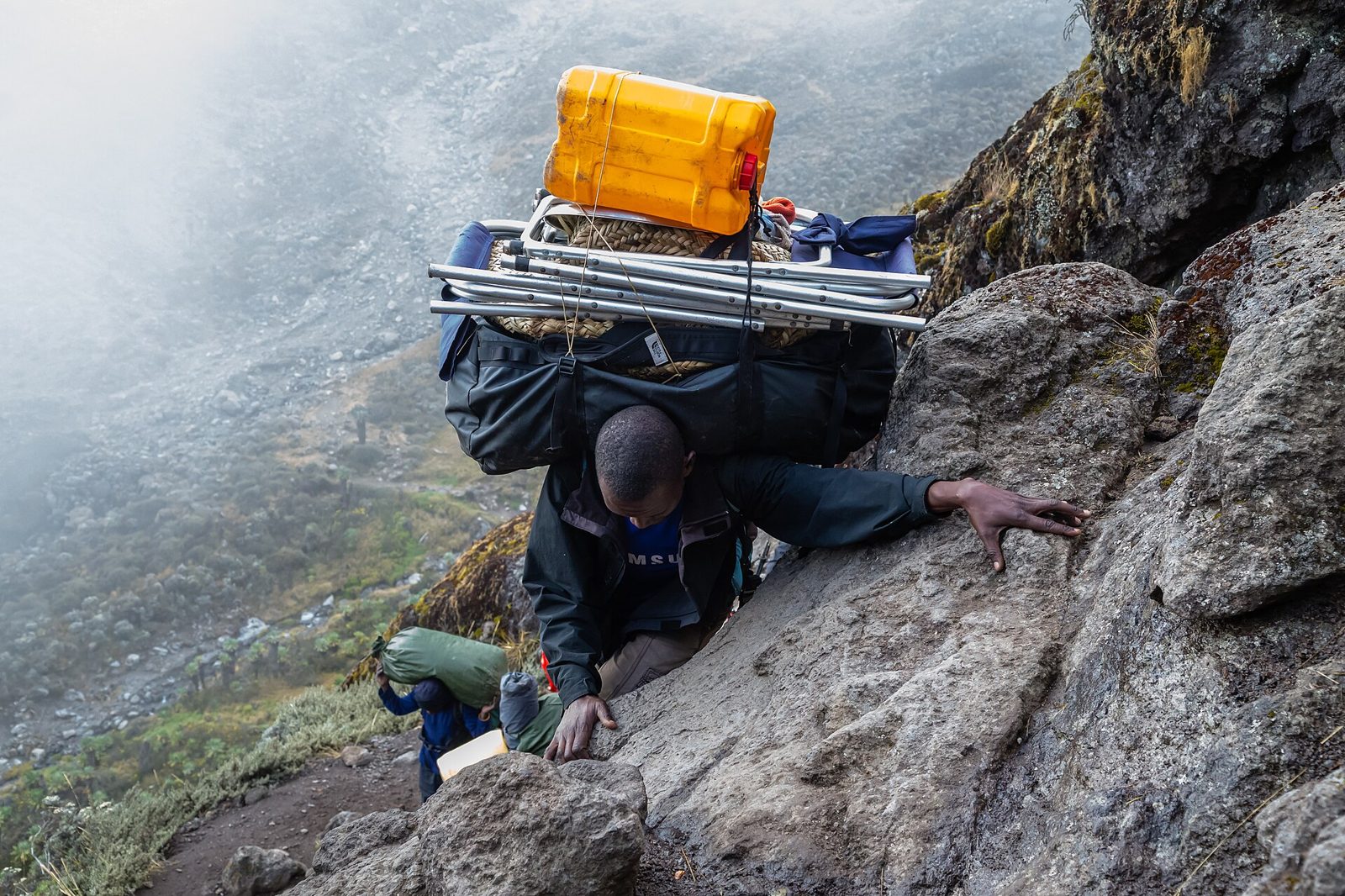
The standard routes are high-altitude treks rather than technical mountaineering climbs, but they are physically demanding. Expect consecutive walking days, uneven ground and a long, cold summit attempt up to Uhuru Peak at 5,895 metres. Some routes include rocky scrambling, such as the Barranco Wall. Fitness helps with endurance but does not prevent altitude illness. Tell your guide about symptoms immediately and accept a descent if safety requires it; reaching the summit is never guaranteed.

Kilimanjaro climb cost: what to compare

The cost of climbing Kilimanjaro depends on route length, park and accommodation fees, crew support and group size. Open a route to compare its day-by-day plan, meals, included equipment, exclusions and starting price per person. Allow separately for crew tips, international flights, visa, personal equipment and suitable insurance. Send your dates and group size in your enquiry; a final quotation confirms arrangements and availability.

Training, packing and altitude preparation

Build up hill walks gradually and practise consecutive hiking days in the boots and daypack you will use. Prepare layers for warm rainforest, rain and freezing summit conditions, plus a head torch and a suitable sleeping bag. Discuss high-altitude travel and any medical conditions with a qualified clinician before departure. Check that your insurance covers trekking to 5,895 metres and emergency evacuation, rather than relying on ordinary holiday cover.

Kilimanjaro FAQs

Climbing Kilimanjaro: your questions answered

How long does it take to climb Kilimanjaro?

Our itineraries span 5 to 9 mountain days, plus arrival and departure time. We recommend at least 7 days, because longer itineraries allow better acclimatisation and give you a better chance of reaching Uhuru Peak (5,895 m).

How hard is it to climb Kilimanjaro?

No technical climbing skills are needed, but it is a demanding trek. Expect 4 to 8 hours of walking on most days and a long summit night of 12 to 15 hours. Altitude is the biggest difficulty; walking slowly ('pole pole'), drinking plenty of water and choosing a longer route all help.

How much does it cost to climb Kilimanjaro?

Our Kilimanjaro climbs start from US$2,050 per person, including park fees, guides, porters, meals on the mountain, camping equipment and airport transfers. The exact price depends on the route, number of days and group size. Crew tips, flights, visa and travel insurance are not included.

Do I need experience to climb Mount Kilimanjaro?

No previous mountaineering is required. Regular hiking, stair climbing or cardio training for two to three months before your climb will make the trek more enjoyable. Speak to your doctor first if you have a health condition.

What is the success rate on Kilimanjaro?

Success depends mainly on the number of days and how your body reacts to altitude. Longer routes such as Lemosho and the Northern Circuit generally have higher summit rates than short 5 or 6-day climbs. Your guides check your health twice a day, and your safety always comes before the summit.

Which Kilimanjaro route is best for beginners?

For most first-time climbers we suggest the 7-day Machame or 8-day Lemosho route. Marangu suits travellers who prefer huts to tents, but it should be done with an extra acclimatisation day.

From the mountain

Kilimanjaro tips & climb stories

All Kilimanjaro articles →