Kilimanjaro · Tips & guides
How to Prepare for Your Kilimanjaro Climb
Training, packing and acclimatisation advice from our mountain guides to help you reach Uhuru Peak.
Kilimanjaro on Foot
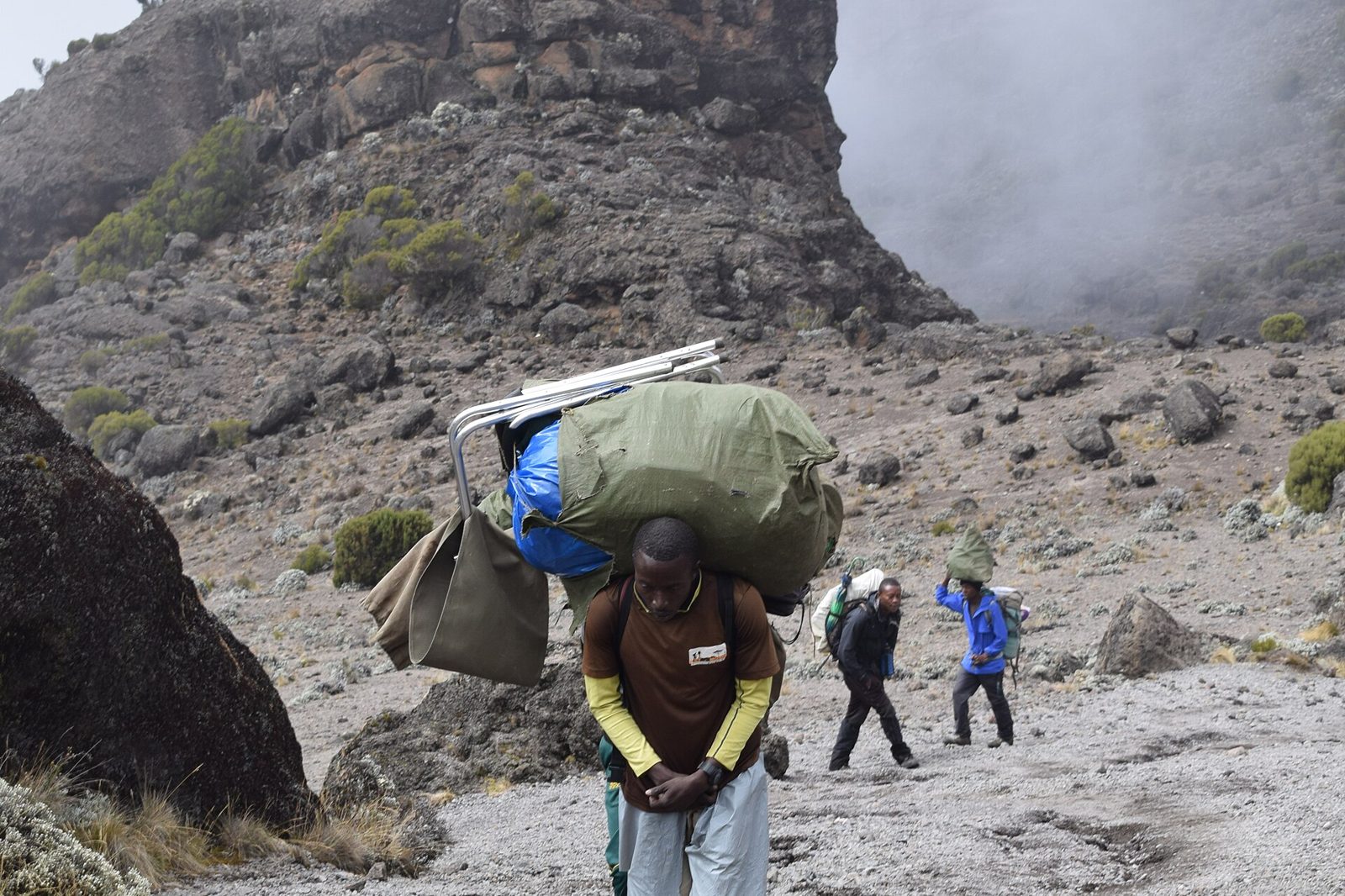
Climbing Mount Kilimanjaro is a trek, not a technical climb — but preparation makes the difference between a hard week and the trip of a lifetime. Here is how our guides recommend you get ready.
Train for long walking days
You do not need to be an athlete, but you should be comfortable walking five to seven hours a day with a light daypack. In the months before your climb, build up with weekend hikes, stairs and hill walks. Strong legs and good stamina matter far more than speed.
Pack for four seasons in one week
You will walk from rainforest to arctic summit conditions. Bring layered clothing: a moisture-wicking base layer, a warm fleece, a down jacket and a waterproof shell. Good, broken-in hiking boots are essential — never climb in new boots.
Give yourself time to acclimatise
The main reason climbers miss the summit is altitude, not fitness. Choose a longer route such as Lemosho or the Northern Circuit, walk slowly (pole pole, as our guides say), drink plenty of water and eat well. An extra day on the mountain is the best investment you can make.
Trust your mountain crew
Our guides check your oxygen levels and pulse every day and carry emergency oxygen on every climb. Tell them honestly how you feel — they have helped thousands of climbers reach the top safely.
Pick the route that matches your training
Which Kilimanjaro route you choose is part of your preparation. The 7-day Machame route is our most popular climb and gives good acclimatisation with varied scenery. The 8-day Lemosho route and the 9-day Northern Circuit add more mountain days, which is the single best way to raise your summit chances. The 6-day Marangu route is the only climb with sleeping huts instead of tents, the 6-day Rongai route approaches from the quieter, drier northern side, and the 6-day Umbwe route is the shortest and steepest for experienced hikers. Compare all six Kilimanjaro routes side by side, then send us your dates, fitness and group size so we can recommend one honestly rather than sell you the hardest option.
More travel stories
Keep planning — these articles may help with your trip.
 Kilimanjaro
Tips & guides ·
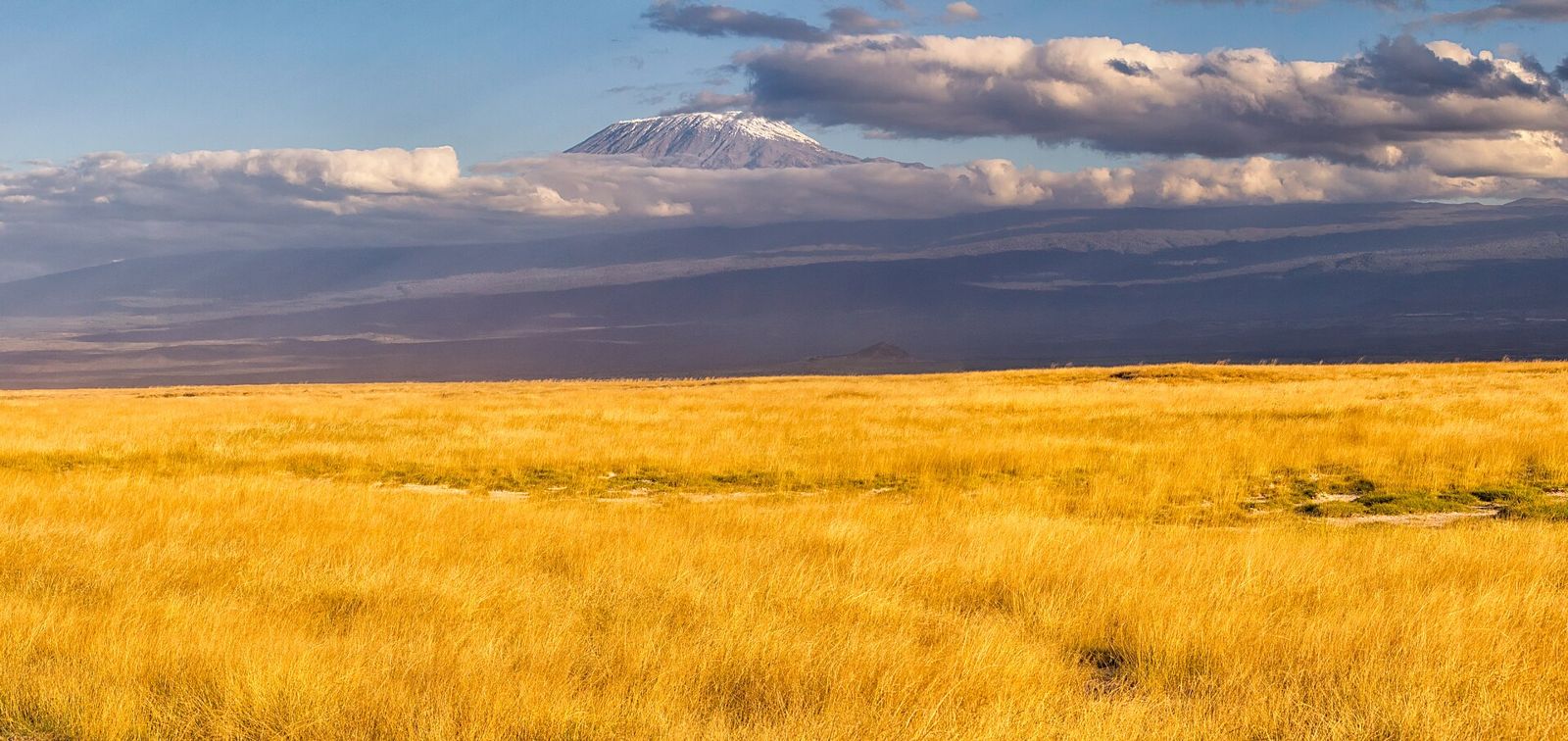
Safari After Kilimanjaro: Planning Recovery and Transfers
Build a climb-and-safari holiday that leaves time to recover, repack and choose wildlife areas for your travel dates.
Read article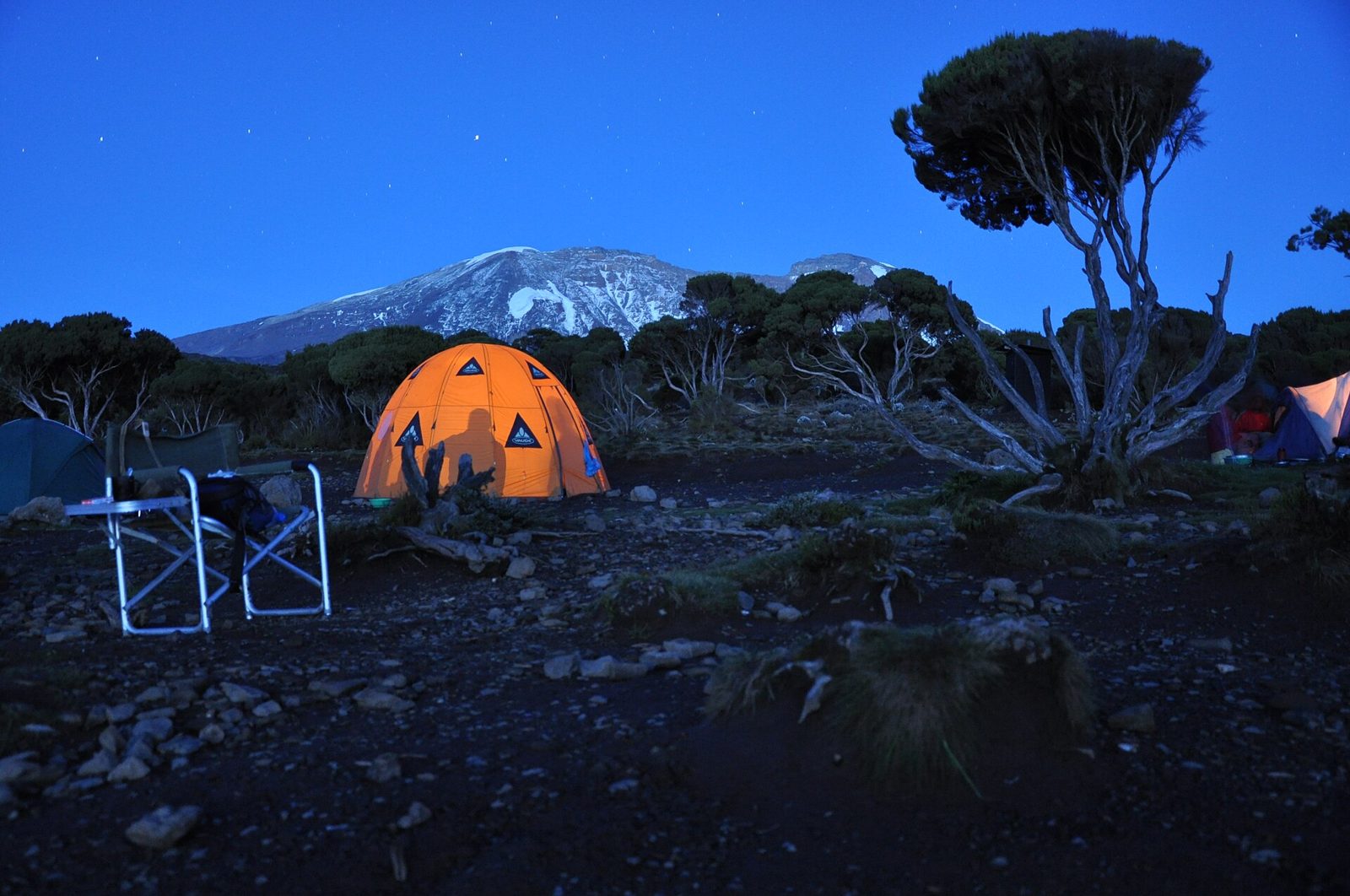 Kilimanjaro
Tips & guides ·
Responsible Kilimanjaro Trekking: Trail and Crew Etiquette
Protect the mountain and respect the people supporting your climb through simple, practical habits.
Read article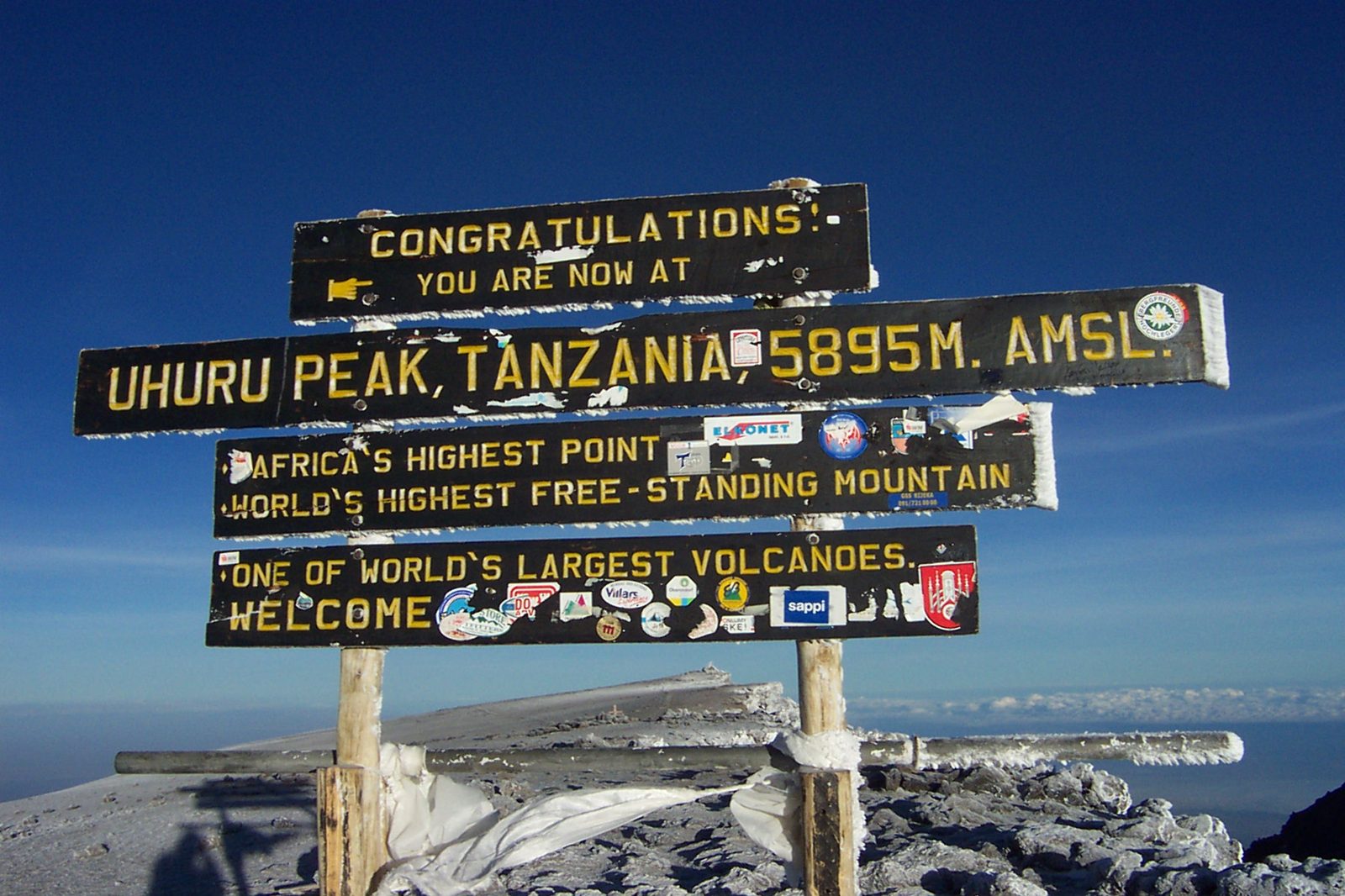 Kilimanjaro
Tips & guides ·
Kilimanjaro Photography: Batteries, Cold and Safe Stops
Prepare camera equipment for moisture and cold while keeping walking safety ahead of the photograph.
Read articlePlan your own adventure
Our local team will design your trip around your dates, interests and budget — free and with no obligation.