
Kilimanjaro · Tips & guides
How to Layer Clothing for a Kilimanjaro Climb
Use an adaptable clothing system for changing temperatures, rain and summit-night cold instead of relying on a single heavy jacket.
Kilimanjaro on Foot
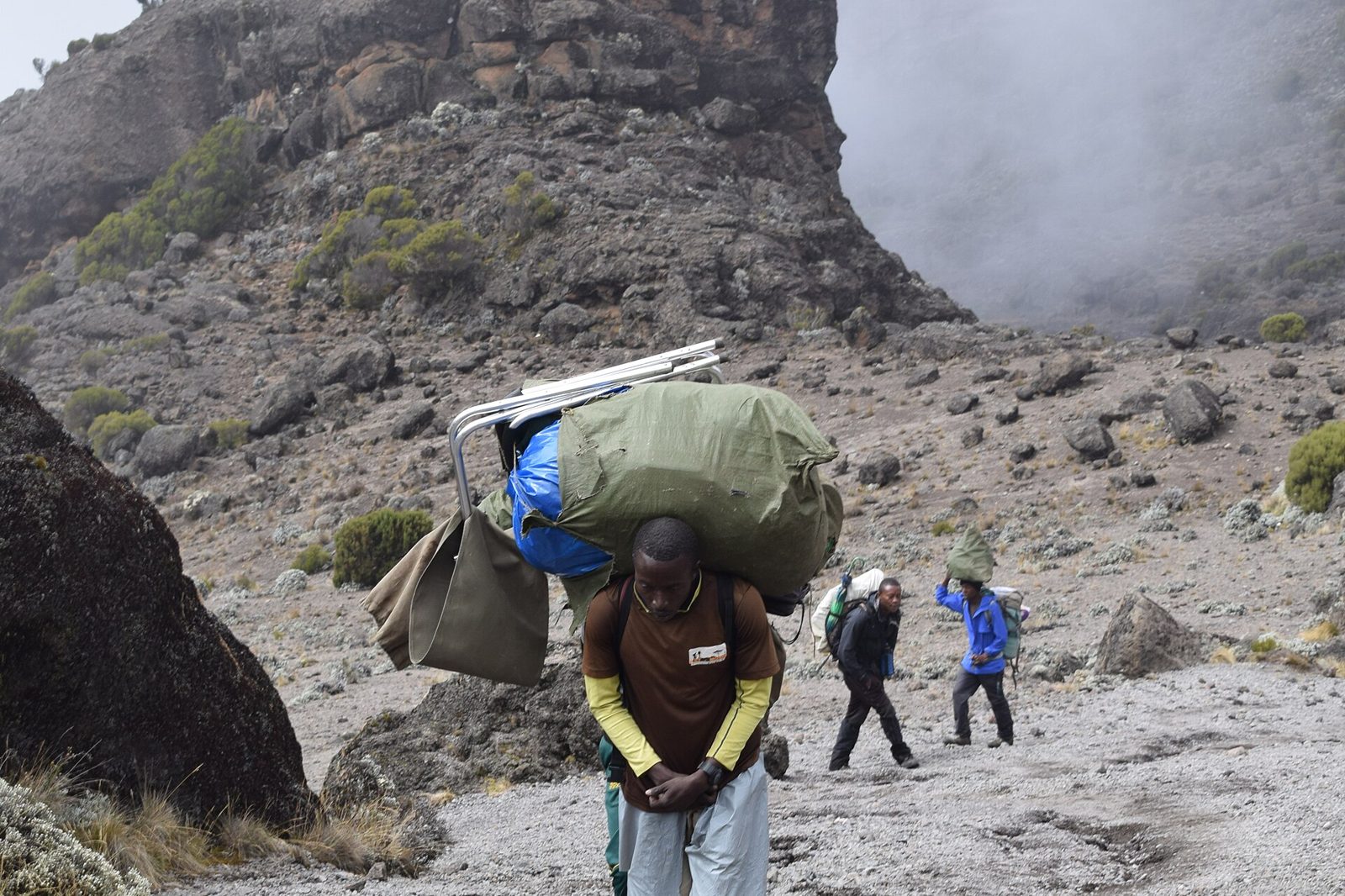
Use an adaptable clothing system for changing temperatures, rain and summit-night cold instead of relying on a single heavy jacket. Start with the decisions below, then use your personal dates, interests and needs to turn the advice into a realistic plan.
Start with an adaptable system
Walking can make you warm even when the air is cool, while stopping exposes you to cold quickly. Plan clothing you can add or remove: a comfortable base, insulating layers and an outer layer for wind and rain. Check that the full combination fits without restricting movement. A tight shell over several layers can be uncomfortable and difficult to adjust.
Keep a dry reserve
Protect spare layers inside the bag rather than relying entirely on the bag exterior. Wet gloves or a damp sleeping layer can make an otherwise manageable evening unpleasant. Keep small accessories together so you can find them in low light. Rain trousers should fit over the clothing and footwear you intend to wear.
Rehearse summit-night dressing
At the briefing, discuss how your guide recommends preparing the clothing system for the summit attempt. Test glove combinations, headlamp access and zips before departure. Avoid taking hands out of gloves repeatedly to manage complicated equipment. Mountain temperatures and wind vary, so a calendar month alone cannot tell you exactly what you will wear.
Before you book
Lay out your complete clothing system at home, test every fastening and ask the team about your sleeping equipment and warm layers before you buy or rent anything.
Keep planning
Compare Kilimanjaro routes and send your travel questions. Kilimanjaro on Foot is based in Arusha. Share your dates and group size; accommodation, availability and the final quotation require written confirmation. Read our packing checklist for the next planning step.
Sources and further reading
Official visitor guidance. This guide provides general planning information, not medical advice or a guarantee of wildlife sightings. Recheck entry rules and health advice before departure.
More travel stories
Keep planning — these articles may help with your trip.
 Kilimanjaro
Tips & guides ·
Safari After Kilimanjaro: Planning Recovery and Transfers
Build a climb-and-safari holiday that leaves time to recover, repack and choose wildlife areas for your travel dates.
Read article Kilimanjaro
Tips & guides ·
Responsible Kilimanjaro Trekking: Trail and Crew Etiquette
Protect the mountain and respect the people supporting your climb through simple, practical habits.
Read article Kilimanjaro
Tips & guides ·
Kilimanjaro Photography: Batteries, Cold and Safe Stops
Prepare camera equipment for moisture and cold while keeping walking safety ahead of the photograph.
Read articlePlan your own adventure
Our local team will design your trip around your dates, interests and budget — free and with no obligation.