
Kilimanjaro · Stories & news
Summit Night on Kilimanjaro: A Climber's Story
What it really feels like to walk through the night and watch the sunrise from the roof of Africa.
Kilimanjaro on Foot
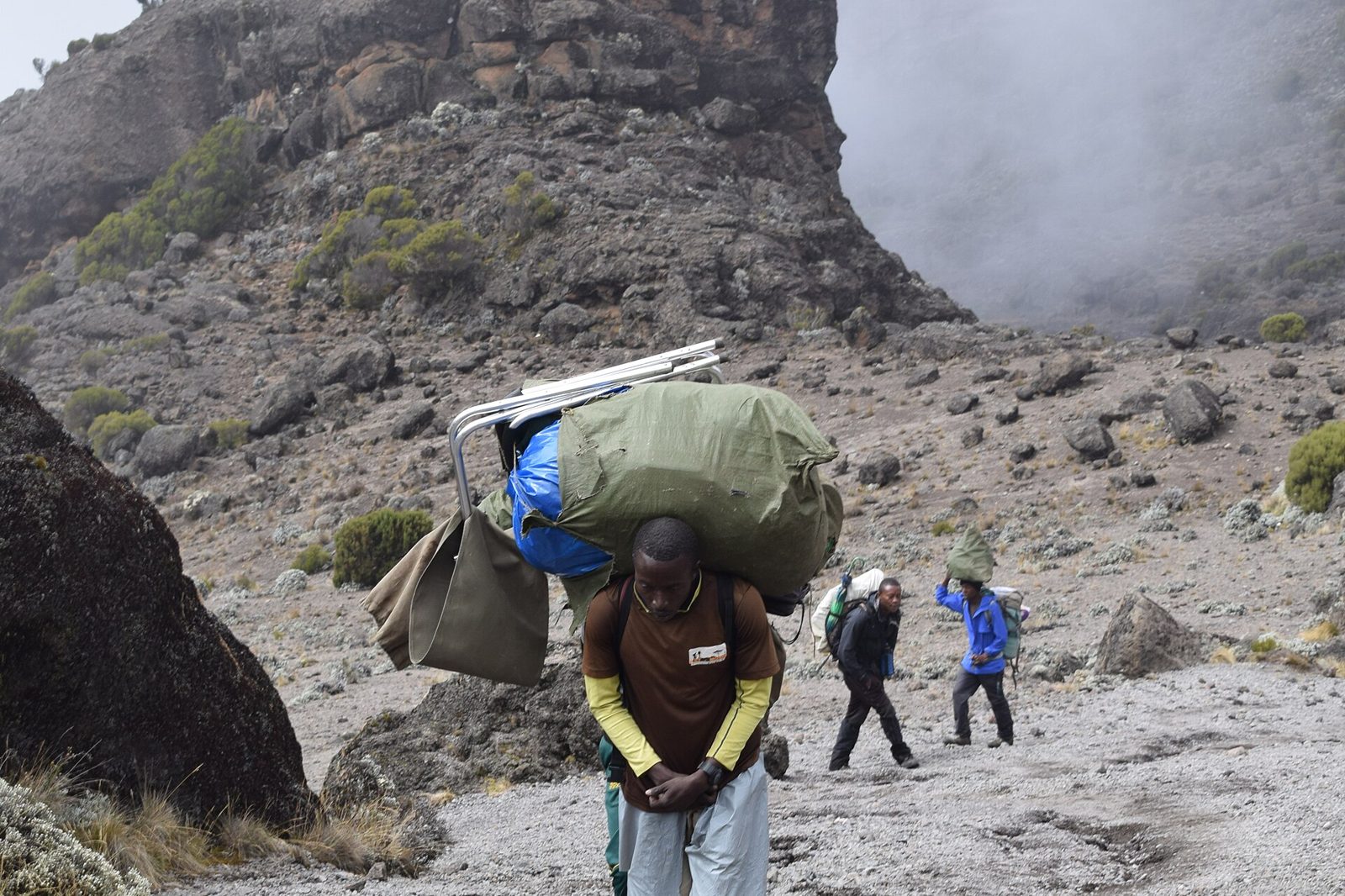
At midnight the camp is quiet except for the crunch of boots on frozen scree. Head torches trace a slow line of light up the mountain. This is summit night — the hardest and most rewarding walk of your life.
The long climb to Stella Point
You walk slowly, one step at a time, breathing in rhythm with your guide. It is cold, sometimes very cold, but the stars over the crater are unforgettable. Every hour the line of lights below grows smaller.
Sunrise at the roof of Africa
Then the horizon turns orange. The glaciers catch the first light, and suddenly you are standing at Uhuru Peak, 5,895 metres above the sea, with all of Africa spread out below you. Tired legs are forgotten. Some climbers laugh, some cry, most do both.
What our climbers tell us
Almost everyone says the same thing afterwards: take the longer route, walk slowly, and trust your guides. The summit is not a race — it is a journey, and the mountain rewards patience.
After the summit: what happens next
You leave the summit camp in the small hours, walk up through the cold night, and then descend back to that same camp once you have stood on Uhuru Peak. Most climbers rest there, then walk out to the gate the following day. You will be tired, so build in a rest day in Arusha before a safari or a flight home. Many of our guests continue straight onto a Tarangire, Serengeti and Ngorongoro Crater safari, or finish on Zanzibar beaches. Whichever route you climbed, our team checks you over at the gate and arranges the transfer back to town.
More travel stories
Keep planning — these articles may help with your trip.
 Kilimanjaro
Tips & guides ·
Safari After Kilimanjaro: Planning Recovery and Transfers
Build a climb-and-safari holiday that leaves time to recover, repack and choose wildlife areas for your travel dates.
Read article Kilimanjaro
Tips & guides ·
Responsible Kilimanjaro Trekking: Trail and Crew Etiquette
Protect the mountain and respect the people supporting your climb through simple, practical habits.
Read article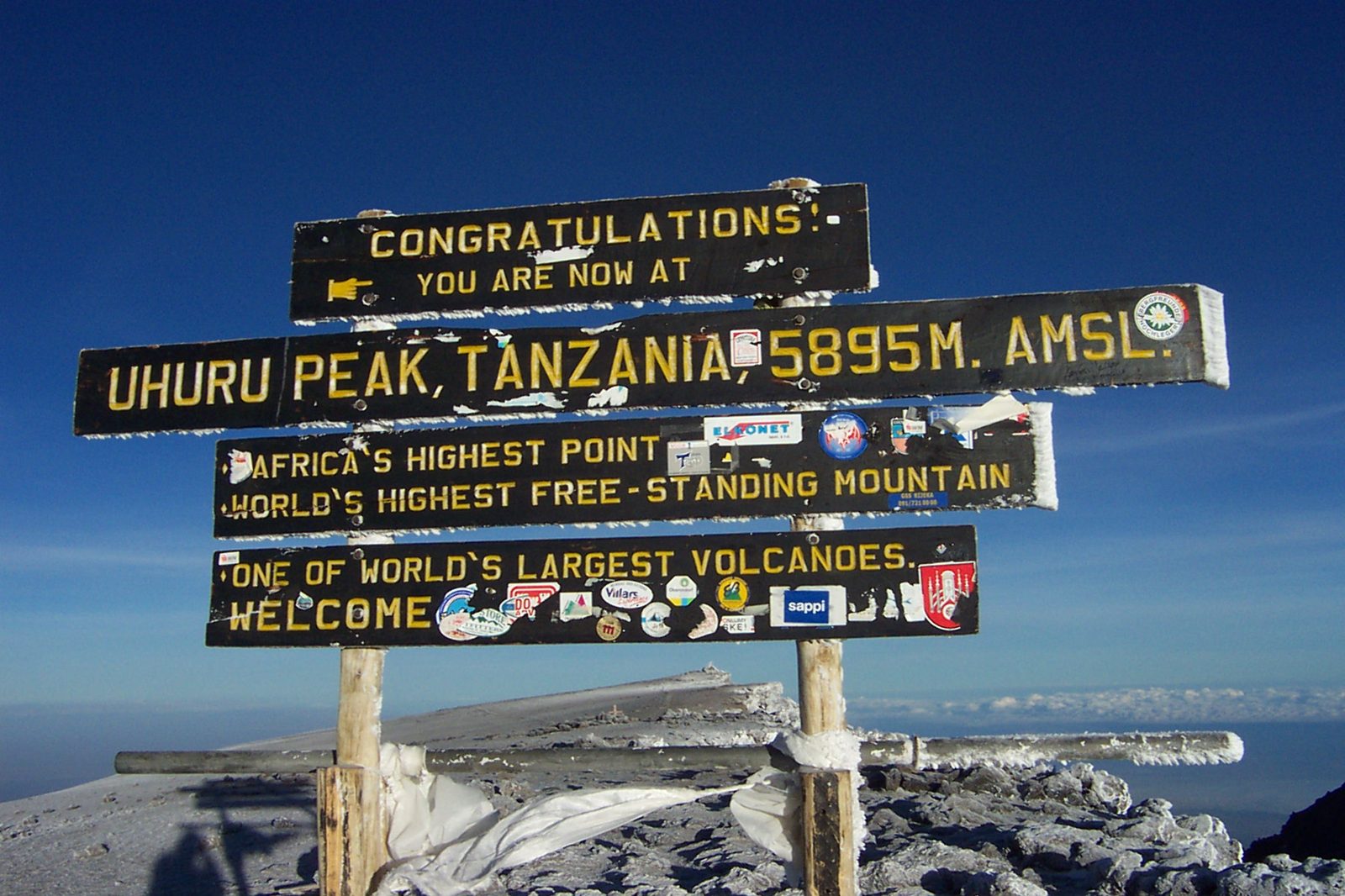 Kilimanjaro
Tips & guides ·
Kilimanjaro Photography: Batteries, Cold and Safe Stops
Prepare camera equipment for moisture and cold while keeping walking safety ahead of the photograph.
Read articlePlan your own adventure
Our local team will design your trip around your dates, interests and budget — free and with no obligation.